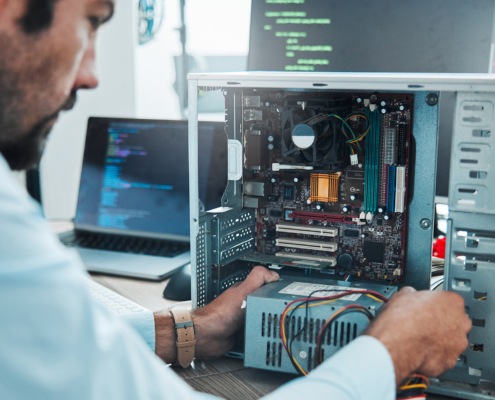
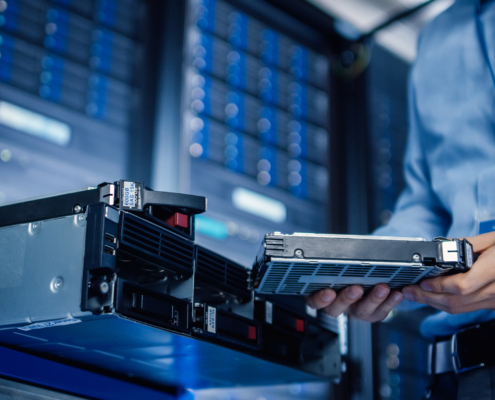
Old hardware is prone to failure. As equipment ages, the likelihood of component breakdowns, performance slowdowns, and repair needs increases significantly. Aging devices often require more IT support, frequent troubleshooting, and ad-hoc fixes to remain operational.
While maintaining aging infrastructure might seem cost-effective in the short run, the cumulative cost of support hours, replacement parts, and service disruptions adds up fast. Even a small issue like a failing hard drive or broken cooling fan can require several hours of downtime and a dedicated technician, which translates directly to lost revenue and productivity.
In contrast, new hardware typically includes manufacturer warranties, modern components, and built-in reliability. A technology hardware refresh eliminates many of the hidden costs tied to ongoing repairs and emergency fixes. By reducing the frequency of unexpected breakdowns, businesses can redirect internal IT resources toward innovation and growth rather than repair.